



Luxembourg Compliance, Global Standards and High Security

Luxembourg E-Invoicing Landscape: What Companies Should Know
Luxembourg has adopted e-invoicing for public procurement, creating a structured digital environment for invoice exchange between suppliers and government entities. Through Peppol-enabled connections and official channels, businesses can submit invoices in recognised formats aligned with European e-invoicing standards, supporting consistent and efficient processing.
Luxembourg’s current e-invoicing rules mainly target companies supplying public-sector organisations. Businesses involved in public contracts must use compliant e-invoicing channels, while broader private-sector B2B and B2C adoption remains optional as digital invoicing evolves.
Which Companies Fall Under Luxembourg E-Invoicing Requirements?
- Businesses supplying Luxembourg public-sector contracting authorities
- Companies fulfilling public procurement contracts through electronic invoicing channels
- Suppliers issuing invoices to Luxembourg ministries, municipalities, or government bodies
- Economic operators covered by Luxembourg public procurement and concession agreements
- Businesses submitting structured invoices through Peppol-connected service providers
- Organisations exchanging compliant invoices using Luxembourg’s approved digital channels
- ERP-based companies connecting systems such as SAP, Oracle, Microsoft Dynamics, NetSuite, or Odoo.

What Your Business Must Do Next
To remain compliant, businesses should adopt Luxembourg-ready invoicing software that supports:
Structured digital invoice processing workflows
Reliable electronic invoice format verification
Timely submission through Peppol-enabled invoicing systems
How Our ACD-Accredited E-Invoicing Platform Works

Digital Invoice Creation
Invoice details are transformed into compliant structured documents, enabling Luxembourg suppliers to issue electronic invoices through Peppol for eligible public procurement transactions. Mandatory information is checked before dispatch.

Secure Peppol Delivery
Approved invoices travel securely across the Peppol network toward the recipient’s designated access point, while automated acknowledgements and essential protection measures support reliable delivery.
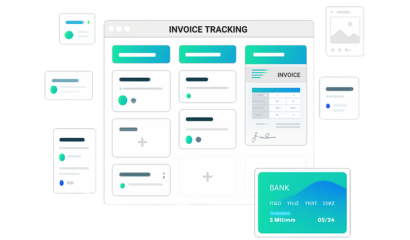
Direct ERP Synchronisation
Advintek integrates with your ERP environment to collect billing records instantly, reducing spreadsheet exports, duplicate information entry, and fragmented invoice handling activities.
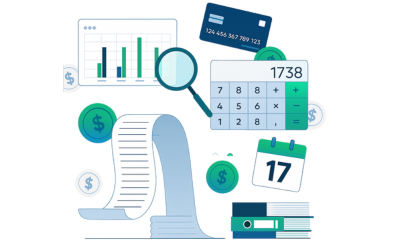
Reporting, Storage & Visibility
Built-in capabilities help Luxembourg organisations monitor invoice activity, retain electronic records, and manage documentation efficiently across public-sector invoicing workflows and evolving digital requirements.
More efficient compliance
Easier to use
Successful e-Invoice submissions
Errors eliminated
Industry Served:
Powering Luxembourg e-Invoicing Evolution
We work alongside established enterprises and emerging organisations across Luxembourg. From financial services and retail to transport and technology, our e-invoicing expertise supports businesses navigating structured invoice exchange and Peppol requirements.
10+ Years
3000+ Clients
70+ Industries
CMMI Lvl 3
ISO 27001:2022 Certified
Integrations:









Why Advintek is right choice for Luxembourg einvoicing
Peppol Exchange Support
Facilitates structured invoice exchange through Peppol, helping suppliers handle Luxembourg public procurement requirements with confidence.
ERP Data Connection
Pulls billing information directly from SAP, Microsoft Dynamics, QuickBooks, and other business management platforms.
Intelligent Data Checks
Reviews invoice information against required fields and formats before sending documents through the electronic network.
Reliable Record Protection
Keeps invoice documentation securely stored with encryption, controlled access, and retention support for long-term business reference.
Streamlined Invoice Handling
Takes care of repetitive invoicing tasks, allowing finance teams to spend less time managing routine document processes.
Expert Implementation Guidance
Specialists assist with Luxembourg setup, Peppol connectivity, ERP configuration, and ongoing electronic invoicing requirements.

Timeline of E-Invoicing Adoption in The Luxembourg
Public Sector Introduction
Electronic invoicing became part of Luxembourg’s digital public procurement environment for businesses supplying government contracting authorities.
Supplier Transition
Businesses participating in public contracts increasingly adopted structured electronic invoices through recognised digital invoicing channels.
Peppol-Based Expansion
Peppol connectivity strengthened electronic invoice exchange, enabling suppliers to transmit structured documents directly to public-sector recipients.
Established Digital Framework
Luxembourg businesses covered by public procurement requirements can submit compliant eInvoices through Peppol or approved government channels.
Platform Built for Luxembourg Compliance
Regulatory Framework Support
Designed around Luxembourg electronic invoicing requirements, enabling compliant billing through structured validation, regulatory processes, and country-specific safeguards
Structured Document Generation
Create electronic invoices using recognised formats suitable for Luxembourg transactions, preserving data accuracy throughout preparation, processing, and official delivery procedures
Automated Invoice Management
Simplify validation, approval, and reporting activities with intelligent workflow capabilities, reducing manual involvement while maintaining consistent processing quality
Enterprise Application Integration
Link financial systems and business applications with e-invoicing infrastructure through secure interfaces, supporting ongoing document transfer, validation, and reporting operations
Scalable Cloud Infrastructure
Handle growing invoice volumes through dependable cloud architecture designed for data security, service availability, operational resilience, and evolving business demands
Why Choose Advintek
Built For Luxembourg’s Digital Trade
Advintek helps companies simplify electronic billing across Luxembourg, bringing ERP data, structured documents, and Peppol-based exchange into one connected invoicing environment.
Direct Peppol Enablement
Send structured invoices to eligible Luxembourg public-sector recipients through Peppol, with dependable routing between your business system and destination access point.
European Invoice Structure
Invoices are prepared using recognised European specifications, supporting consistent information, machine-readable documents, and dependable processing across connected trading environments.
Connect Your Existing ERP
Choose from 50+ integrations covering SAP, Oracle, Dynamics, NetSuite, Odoo, Zoho, QuickBooks, Sage, and other widely used business platforms.
Knowledge Of Local Practices
Advintek combines technical implementation experience with knowledge of Luxembourg invoicing practices, VAT considerations, public procurement processes, and Peppol-based document exchange.
Security Across Every Exchange
Protected infrastructure, encrypted communication, access controls, and ISO 27001-certified practices help keep confidential financial documents protected from creation through transmission and storage.
Trusted by growing businesses across Luxembourg









Excellent
4.8
Rated 4.8 out of 5 from 3,614 customer reviews.
Everything You Need to Know
What is e-invoicing in Luxembourg?
Luxembourg e-invoicing involves exchanging invoices electronically using structured, machine-readable formats rather than conventional paper or PDF documents. For public procurement, compliant electronic invoices can be transmitted through Peppol or MyGuichet.lu. Luxembourg is also progressing toward broader structured e-invoicing requirements for domestic business transactions.
Is e-invoicing mandatory in Luxembourg?
Electronic invoicing is already mandatory for economic operators issuing invoices under Luxembourg public procurement and concession contracts, subject to applicable exceptions. The country is additionally moving toward mandatory structured e-invoicing for domestic B2B transactions, making preparation increasingly important for businesses that currently invoice electronically on a voluntary basis.
Who needs to use e-invoicing in Luxembourg?
Businesses supplying Luxembourg public authorities under qualifying procurement or concession contracts must issue and submit compliant electronic invoices through authorised channels. The planned expansion will also affect domestic B2B transactions, meaning Luxembourg-established businesses should assess their invoicing systems, ERP capabilities, data quality, and digital exchange readiness.
What is Peppol in Luxembourg e-invoicing?
Peppol provides the electronic network infrastructure used to exchange structured invoices between connected organisations. Luxembourg public-sector recipients use Peppol for electronic invoice reception, while suppliers can connect through a Peppol Access Point. The emerging domestic B2B framework also identifies Peppol as the designated network for structured invoice exchange.
Can Luxembourg businesses send invoices through Peppol?
Yes. Businesses connected to the Peppol network can send compliant e-invoices to participating recipients. For Luxembourg public procurement, Peppol is an authorised channel alongside MyGuichet lu. Businesses can connect through suitable Peppol service providers or compatible ERP and invoicing software for streamlined invoice submission and exchange.
Which e-invoice formats are accepted in Luxembourg?
Luxembourg recognises structured formats including Peppol BIS Billing and specified XRechnung versions, using XML-based UBL or UN/CEFACT CII syntaxes where applicable. Businesses should ensure their invoicing systems support the required semantic model and accepted syntax before transmitting invoices to Luxembourg recipients.
Does Luxembourg require Peppol for B2G invoices?
For Luxembourg public procurement and concession contracts, compliant electronic invoices must be transmitted through an authorised channel. Peppol is the primary network option, while MyGuichet.lu provides alternative online submission methods for businesses that are not connected to Peppol. Other transmission methods, such as email, are not permitted.
What is MyGuichet.lu used for e-invoicing?
MyGuichet.lu provides Luxembourg businesses with online methods for submitting compliant electronic invoices when they are not connected to Peppol. Suppliers can manually enter invoice information or upload an already compliant electronic document. It therefore offers an alternative route for businesses that have not established Peppol connectivity.
Will Luxembourg introduce mandatory B2B e-invoicing?
Luxembourg is moving toward mandatory structured electronic invoicing for domestic B2B transactions through proposed legislative changes. The reform extends the existing framework beyond government-facing invoices and establishes a broader digital invoicing model. Businesses should therefore begin reviewing ERP integration, invoice data, workflows, and Peppol connectivity ahead of implementation.
Does Luxembourg e-invoicing apply to B2C transactions?
The current Luxembourg mandatory framework primarily addresses public procurement and the planned expansion concerns domestic B2B transactions. Consumer invoicing is not covered by the same mandatory structured e-invoicing obligation. Businesses should nevertheless review their wider billing processes to distinguish public-sector, business, and consumer transaction requirements accurately.
Can ERP software connect with Luxembourg e-invoicing?
Yes. ERP systems can be integrated with e-invoicing technology to capture billing information, transform records into compliant structured documents, validate required data, and transmit invoices through Peppol. This approach reduces manual handling while helping finance teams maintain consistent invoice information across Luxembourg digital invoicing workflows.
How does Advintek support Luxembourg e-invoicing?
Advintek can connect business applications with Luxembourg-ready electronic invoicing workflows, helping organisations prepare invoice information, validate structured documents, and exchange them through supported Peppol infrastructure. This allows finance teams to reduce repetitive processing while creating a more controlled approach to Luxembourg compliance and digital invoice management.
Is Luxembourg e-invoicing compatible with SAP and Microsoft Dynamics?
Businesses using platforms such as SAP or Microsoft Dynamics can connect their existing ERP environment with an e-invoicing solution. The integration can capture invoice records, apply required transformations and validations, and route structured documents through the appropriate electronic channel without requiring finance teams to recreate invoice information manually.
What are the benefits of Luxembourg e-invoicing software?
Luxembourg e-invoicing software can automate invoice preparation, structured-data validation, electronic transmission, status monitoring, and document retention. For businesses preparing for broader requirements, it also provides a practical way to strengthen ERP connectivity, reduce manual intervention, improve data consistency, and establish scalable digital invoicing processes.
How should businesses prepare for Luxembourg e-invoicing requirements?
Businesses should review their existing ERP and accounting systems, assess invoice-data quality, identify required structured formats, and establish suitable Peppol connectivity. Preparing early can help finance teams address integration gaps, improve automated validation, and adapt internal workflows before Luxembourg’s expanding electronic invoicing framework creates additional operational requirements.
Explore the Latest E-Invoicing Updates
UAE e-Invoices with Advintek App
Advintek Invoice Factory App is a mobile solution for UAE businesses that simplifies e-invoicing while ensuring full FTA compliance. It streamlines invoicing with accuracy, security, and efficiency.
Create & Manage Invoices
UAE FTA Compliance Ready
Direct GOVT Submission & Tracking
Download the Advintek Invoice Factory App




Trusted Across 60+ Countries, Empowering Businesses Worldwide
Explore Advintek's global presence and discover solutions tailored to businesses in your country.
Luxembourg e-Invoices with Advintek App
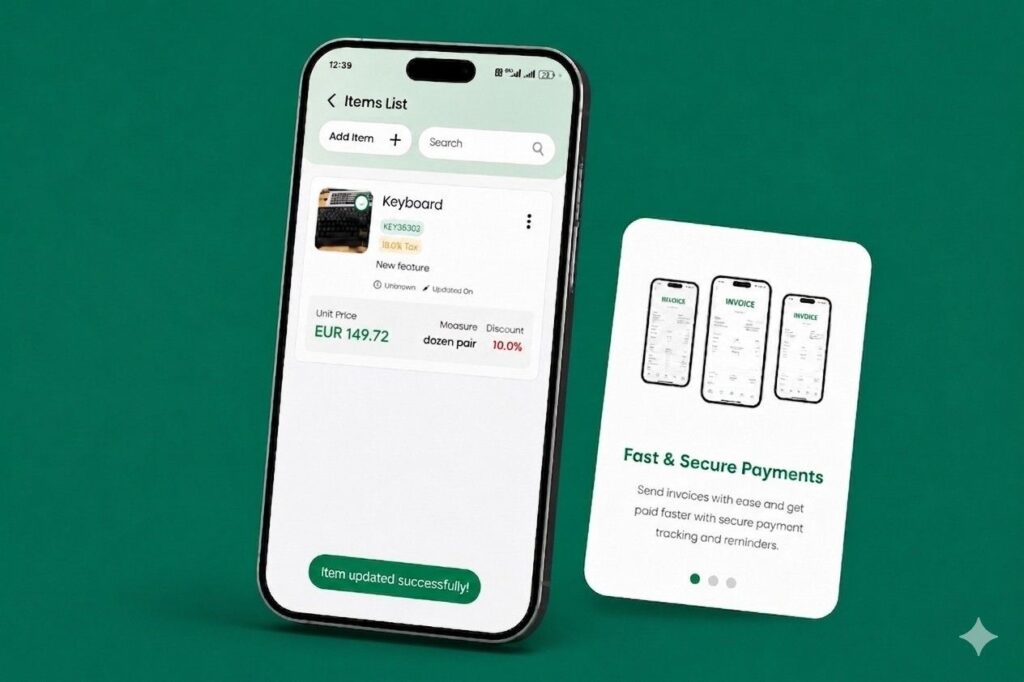
Advintek Invoice Factory App is a mobile solution for Luxembourg businesses that simplifies e-invoicing while ensuring full ACD compliance. It streamlines invoicing with accuracy, security, and efficiency.
Create & Manage Invoices
Luxembourg ACD Compliance Ready
Direct GOVT Submission & Tracking
Download the Advintek Invoice Factory App