

Compliance That Fits E-Freight ERP Users
Moving E-Freight | EFC-ERP Data Through Luxembourg E-Invoicing Workflows
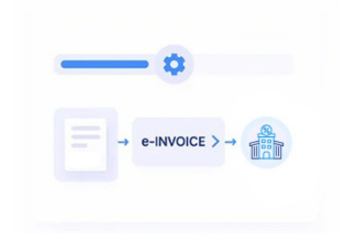
- Freight Record Capture: Relevant invoice and shipment information generated through E-Freight | EFC-ERP enters Advintek for structured processing.
- Transaction Assessment: Customer, supplier, tax, and document details are reviewed according to the applicable Luxembourg e-invoicing workflow.
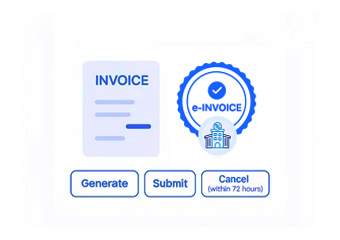
- Invoice Data Validation: Key information is checked before the invoice progresses toward structured document preparation and exchange.
- Structured File Preparation: Validated data is arranged into a supported e-invoice format suitable for the intended Luxembourg transaction.
- Channel-Based Transmission: For applicable public procurement and concession transactions, compliant invoices can be transmitted through Peppol or MyGuichet.lu. (G
- Workflow Record Update: Processing results can be retained alongside the relevant invoice activity, helping teams maintain better document traceability.
Extending E-Freight | EFC-ERP For Luxembourg Invoice Exchange
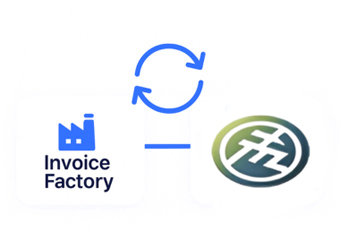
E-Freight | EFC-ERP supports freight and logistics operations, while Advintek adds a dedicated e-invoicing layer for preparing, checking, and routing relevant invoice information within Luxembourg workflows.
- Converts freight billing information into structured e-invoice data
- Checks key transaction and recipient information before exchange
- Supports invoice and credit note processing across connected workflows
- Keeps processing outcomes associated with relevant document activity
Operational Improvements With E-Freight | EFC-ERP E-Invoicing
- Better Freight Data Accuracy — Relevant shipment and billing information can be reviewed before the invoice progresses through the connected workflow.
- Reduced Manual Checking — Defined processing stages help teams handle routine invoice preparation without repeatedly reviewing the same information.
- Clearer Transaction References — Shipment identifiers and invoice details can remain associated, helping users understand the relationship between operational and billing records.
- More Consistent Document Preparation — Invoice information follows structured processing rules before moving toward the applicable exchange channel.
- Easier Credit Note Coordination — Related adjustments can be handled within the same connected environment rather than separated from the original invoice activity.
- Improved Workflow Oversight — Processing information gives logistics and finance teams a clearer view of documents moving through the e-invoicing process.
Everything You Need for Luxembourg E-Invoicing in One Place
Real-Time Validation Feedback
Compare relevant shipment and billing information before document preparation to help identify inconsistencies earlier.
Centralized Freight Dashboard
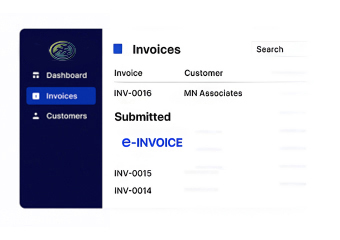
Follow document activity across preparation and exchange stages without losing sight of the related freight transaction.
Continuous Compliance Support
Keep recipient and destination details organized so invoices can be directed through the appropriate supported route.
Luxembourg Compliance Support for E-Freight | EFC-ERP Users
Advintek connects E-Freight | EFC-ERP invoice information with Luxembourg’s applicable e-invoicing framework, helping businesses prepare compliant documents for supported exchange channels.
- Supports structured e-invoice preparation for transactions
- Helps align invoice information with accepted document requirements
- Supports Peppol transmission for public-sector transactions
- Provides an alternative workflow for MyGuichet.
Structured Luxembourg Exchange
Bring freight invoice information into a more organized Luxembourg e-invoicing workflow with Advintek.
Advintek can also connect additional ERP, CRM, accounting, and business applications alongside E-Freight | EFC-ERP through country-specific e-invoicing integrations.
Ready e-Invoice System
Frequently Asked Questions E-Freight ERP E-Invoicing Luxembourg
1. Can E-Freight | EFC-ERP manage Luxembourg e-invoicing without an additional layer?
E-Freight | EFC-ERP can manage freight, shipment, and related business information, but businesses may require additional capabilities for structured e-invoice preparation, validation, exchange routing, and processing visibility. Advintek adds this supporting layer around the existing operational workflow.
2. Which E-Freight | EFC-ERP information can be used for e-invoicing?
Relevant information may include freight references, customer details, shipment data, invoice lines, tax information, document references, and related transaction details. The specific data used depends on the invoice and the applicable Luxembourg e-invoicing workflow.
3. How are E-Freight | EFC-ERP invoices prepared for Luxembourg exchange?
Invoice information can move from the existing freight workflow into Advintek, where relevant data is reviewed and structured for the applicable e-invoice process. For qualifying public procurement and concession transactions, the resulting compliant document can be prepared for an authorized channel such as Peppol or MyGuichet.lu.
4. Can credit notes from freight transactions be handled through the same workflow?
Yes. Credit notes can be included within the connected document process. Luxembourg treats credit notes as invoices for the relevant public procurement and concession requirements, meaning compliant electronic credit notes are subject to the same applicable transmission obligations.
5. Will E-Freight | EFC-ERP remain the main operational system?
Yes. The purpose of the connected approach is to work around the existing freight and logistics workflow rather than requiring teams to rebuild their operational records in another application. Advintek handles the additional e-invoicing processing required around relevant invoice information.