

Compliance That Fits SAP E-invoicing
SAP Einvoice With Advintek
- Billing Document Selection: Relevant SAP billing documents are identified according to the underlying sales and accounting activity.
- Master Data Assessment: Customer, material, tax, and company code information is reviewed alongside the billing record.
- Document Content Preparation: Applicable invoice information is organized according to the requirements of the intended Luxembourg process.
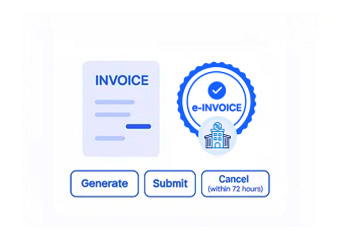
- Structured Invoice Creation: Suitable SAP billing data is prepared in the structured format required for applicable invoice handling.
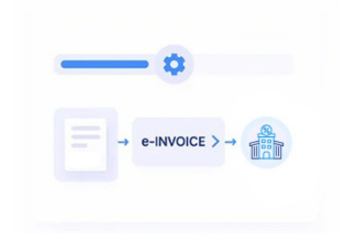
- Recipient-Based Transmission: The prepared document can follow an appropriate exchange route according to the transaction and recipient.
- Processing Record Update: Relevant processing results can be retained with the supporting SAP billing information for future reference.
What Does Advintek’s SAP E-Invoice Connector Do?
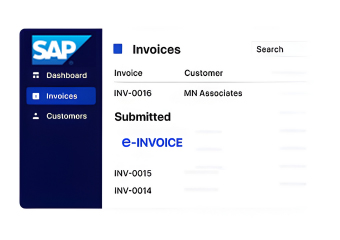
SAP remains the core environment for sales, billing, accounting, customer, material, and company information. Advintek provides additional invoice processing around these records, helping businesses prepare suitable Luxembourg invoice documents without changing the role of SAP in their daily financial operations.
- Uses SAP billing document information
- Handles relevant master data
- Supports structured invoice preparation
- Preserves company code references
Why SAP Users Trust Us
- Better Billing Document Context — SAP billing records can retain references to the sales and accounting activity that generated the invoice.
- Clearer Master Data Usage — Customer and material information can be used consistently when preparing invoice content from SAP records.
- Improved Company Code Visibility — Company code information can remain available with invoice records, supporting clearer financial classification across business operations.
- More Reliable Tax Information — Applicable tax classifications can be reviewed alongside billing details before the invoice enters further processing.
- Easier Document Investigation — Previous billing records can provide useful context when finance teams review customer transactions or investigate invoice discrepancies.
- Stronger SAP Record Continuity — Processed invoice information can retain relevant relationships with the SAP records supporting the underlying business transaction.
All-in-One Luxembourg E-Invoicing Solution
Billing Document Verification
Relevant billing information can be reviewed against the originating sales and accounting activity.
Master Data Checking
Customer, material, and related master information can be assessed before invoice preparation.
Company Code Validation
Applicable company code details can be reviewed alongside invoice information for financial consistency.
Designed for Businesses Using SAP in the Luxembourg
SAP can remain the primary environment for sales, billing, customer, material, tax, and accounting information while Advintek supports the additional invoice processing layer. For applicable Luxembourg public-sector transactions, structured invoices can follow recognized exchange routes according to the recipient, transaction type, and applicable requirements.
- Supports relevant Luxembourg invoice structures
- Uses applicable SAP billing records
- Accommodates suitable Peppol exchange
- Retains supporting financial information
Compliance Should Integrate, Not Interrupt
Give SAP billing records a structured route through applicable Luxembourg invoice processes.
Advintek helps SAP users prepare and process invoice information while continuing to manage core financial and operational activities within their existing SAP environment.
Ready e-Invoice System
Frequently Asked Questions SAP E-Invoicing Luxembourg
What SAP records are relevant when preparing a Luxembourg invoice?
Relevant SAP billing documents, sales orders, customer master data, material information, tax classifications, company code details, and accounting references can contribute to invoice preparation. Advintek can organize the applicable information around the originating SAP transaction and prepare it for the relevant Luxembourg workflow.
How can SAP master data influence invoice accuracy?
Customer and material master data provide important information used across sales and billing processes. Reviewing these records alongside the invoice can help maintain consistency between the source transaction and the resulting document, particularly for recipient identification, product descriptions, and related billing details.
Can SAP billing documents retain their original accounting context?
Yes. Relevant billing information can remain associated with the SAP records behind the transaction, including sales and accounting references. This gives finance teams useful context when reviewing processed invoices, checking financial classifications, or investigating differences between source records and invoice information.
Where does Peppol apply to SAP invoicing in Luxembourg?
For applicable Luxembourg public-sector transactions, Peppol can serve as a recognized route for structured invoice exchange. The appropriate process depends on the recipient and transaction requirements. Advintek can prepare relevant SAP billing information for the applicable exchange workflow.
Why is company code information important during SAP invoice processing?
Company code information identifies the financial organization associated with an SAP transaction. Keeping this context available during invoice preparation can help finance teams maintain appropriate financial classification and review documents against the accounting environment from which the billing information originated.