

Compliance That Fits SAP ECC Users
How SAP ECC Billing Information Moves Through Luxembourg Invoicing
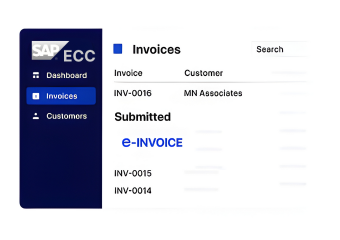
- Billing Record Identification: Relevant SAP ECC billing documents are selected from associated sales and accounting activity.
- Master Data Collection: Customer, material, tax, and company information is gathered from supporting SAP ECC records.
- Invoice Content Review: Available billing information is assessed before structured document preparation begins.
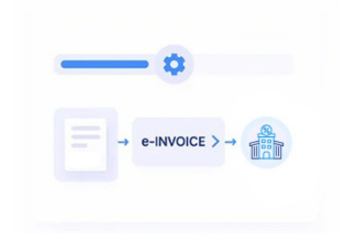
- Document Data Structuring: Suitable information is arranged according to the applicable Luxembourg invoice workflow.
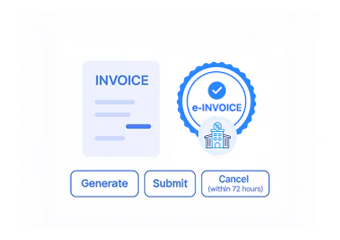
- Electronic Exchange Preparation: The completed document can be prepared for its appropriate electronic exchange route.
- Processing Result Capture: Relevant outcomes can remain associated with supporting SAP ECC transaction records.
What Does Advintek’s SAP ECC Connector Actually Do?
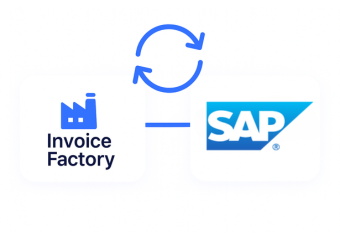
SAP ECC remains the source for sales, billing, customer, material, tax, and accounting information. Advintek adds invoice-specific processing around these records, supporting structured Luxembourg invoice preparation while keeping SAP ECC central to daily financial operations.
- Uses existing SAP ECC billing information
- Organizes relevant master data
- Supports structured invoice document preparation
- Preserves accounting transaction context
Why SAP ECC Users Choose Advintek
- Better Billing Record Visibility — SAP ECC billing documents can retain useful relationships with the sales and accounting activity behind each invoice.
- Clearer Customer Identification — Customer master information can support consistent recipient identification when invoice records are prepared and reviewed.
- More Consistent Product Information — Material master details can help maintain accurate product descriptions, quantities, and units within invoice documents.
- Stronger Financial Context — Accounting references and company code details can provide useful context when reviewing processed billing records.
- More Organized Tax Information — Relevant tax classifications can remain associated with billing information throughout applicable invoice preparation activities.
- Easier Document Investigation — Supporting SAP ECC records can provide valuable context when finance teams investigate invoice discrepancies or processing issues.
Everything You Need for Luxembourg E-Invoicing in One Place
Billing Document Review
Relevant billing details can be checked against supporting sales information and related transaction records.
Master Data Assessment
Customer and material information can be reviewed before invoice preparation to support accurate processing.
Accounting Reference Review
Financial and company information can support invoice record verification and maintain consistent accounting references.
Designed for Businesses Using SAP ECC in the Luxembourg
SAP ECC can continue managing sales, billing, customer, material, tax, and accounting information while Advintek supports additional invoice processing. For applicable Luxembourg public-sector transactions, recognized electronic exchange routes can be used according to the relevant transaction and recipient requirements.
- Supports applicable Luxembourg invoice structures
- Uses SAP ECC billing information
- Accommodates suitable Peppol exchange
- Preserves supporting financial references
for Luxembourg Business Requirements
Give SAP ECC billing information a structured route through applicable Luxembourg workflows.
Advintek supports SAP ECC invoice processing workflows.
Ready e-Invoice System
Frequently Asked Questions SAP ECC E-Invoicing Luxembourg
What happens to an SAP ECC billing document before electronic submission?
The relevant billing information is reviewed and prepared for the applicable structured invoice workflow. Customer, material, tax, accounting, and transaction details can be assessed before the document is prepared for its intended electronic exchange route.
How are SAP ECC company codes handled during invoice preparation?
Company code information can provide the organizational and accounting context associated with the billing transaction. Keeping this information available helps distinguish financial records correctly when invoice information is prepared for processing within the applicable Luxembourg workflow.
Can SAP ECC credit memos be included in invoice processing?
Yes. Relevant credit memo information can be processed alongside invoice records where the applicable workflow requires it. The supporting SAP ECC transaction details can provide context for the adjustment and help maintain its relationship with the original billing activity.
Which SAP ECC data is important for product-based invoices?
Material numbers, descriptions, quantities, units, customer information, tax details, and billing references can be important for product-based invoices. Using relevant SAP ECC records helps preserve consistency between the underlying transaction and the information prepared for electronic invoicing.
Who can review SAP ECC invoice processing information?
Authorized finance and accounting personnel can review relevant invoice information and processing results. Retaining useful relationships with SAP ECC billing and accounting records gives teams greater context when checking documents, investigating discrepancies, or confirming the outcome of an invoice workflow.