

Why Infor SyteLine Users Trust Advintek
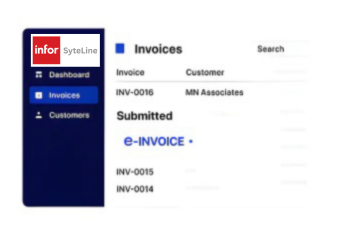
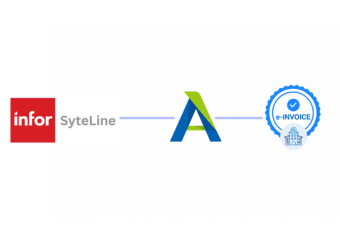
How Infor SyteLine E-Invoicing Works with Advintek
- Billing Records Identified: Relevant INFOR SyteLine transactions are selected based on the invoices requiring further processing.
- Source Information Gathered: Customer, order, item, shipment, tax, and financial details are collected from related records.
- Invoice Data Reviewed: Available information is checked against the underlying transaction before invoice preparation continues.
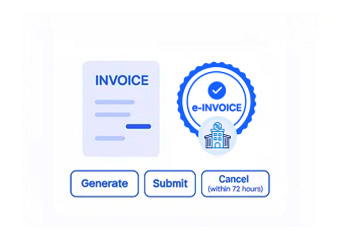
- Document Information Prepared: Relevant billing details are organized according to the applicable Luxembourg invoice workflow.
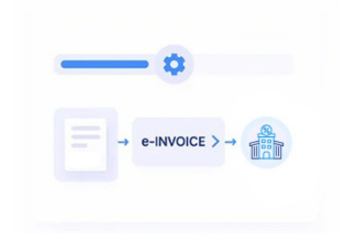
- Invoice Exchange Managed: Prepared documents can move through a suitable electronic exchange route based on recipient requirements.
- Processing Details Retained: Relevant invoice outcomes can remain connected with supporting INFOR SyteLine records for future review.
What Does the Infor SyteLine Connector Enable?
INFOR SyteLine can continue managing orders, customers, items, shipments, and financial information. Advintek adds invoice processing around these existing records, helping businesses manage Luxembourg invoicing without replacing their established ERP environment.
- Uses existing SyteLine business records
- Organizes information for invoice preparation
- Supports connected invoice processing
- Keeps source transaction details available
Why Infor SyteLine Users Choose Advintek
- Better Customer Record Accuracy — Customer information can remain connected with billing activity, helping teams maintain consistent recipient details across invoices.
- Clearer Order-to-Invoice Links — Sales order references can help teams understand the commercial activity behind each invoice and review related transactions more easily.
- More Complete Item Details — Product information can support accurate invoice lines with relevant item descriptions, quantities, units, and references.
- Stronger Shipment Matching — Shipment records can provide useful context when teams need to compare billed items with related fulfillment activity.
- Improved Tax Information Review — Relevant tax details can remain associated with transaction information during invoice preparation and checking.
- Easier Financial Investigation — Accounting and company references can help finance teams trace invoice information back to the underlying SyteLine transaction.
What Infor SyteLine Gets for Luxembourg E-Invoicing
Customer Data Verification
Recipient information can be reviewed against the relevant customer record and associated billing transaction.
Item Information Checking
Item details can be compared with the originating sales information before invoice document preparation begins.
Order Shipment Review
Order and shipment records can be checked together to support accurate billing information before processing continues.
Built for Infor SyteLine Users in Luxembourg
INFOR SyteLine remains the source for relevant customer, order, item, shipment, tax, and financial information while Advintek supports the additional invoice processing workflow. Applicable Luxembourg requirements can be considered, including relevant processes involving the Administration des contributions directes (ACD).
- Supports Luxembourg invoice requirements
- Uses INFOR SyteLine billing data
- Supports suitable Peppol exchange
- Teams managing Considers applicable ACD requirementstransaction volumes
For Luxembourg Business Operations
Give your SyteLine billing information a clearer path through Luxembourg invoice processing.
Advintek supports invoice preparation and exchange while your teams continue working within INFOR SyteLine.
Ready e-Invoice System
FAQs Infor SyteLine and Luxembourg E-Invoicing
What SyteLine records are useful when creating invoices?
Customer records, sales orders, item information, shipment details, tax information, and financial references can support invoice preparation. These records provide important business details behind each billing transaction, helping teams organize accurate invoice information and review the relevant customer, product, fulfillment, and financial context before processing begins.
How can sales orders help with SyteLine invoice processing?
Sales orders provide important customer, product, quantity, pricing, and commercial details behind a billing transaction. Keeping these references available helps teams compare invoice information with the original order, identify differences, and confirm that the prepared invoice reflects the underlying sales activity recorded in SyteLine before further processing.
Why are shipment records useful for invoice review?
Shipment records provide useful information about products delivered as part of a customer transaction. Reviewing shipment details alongside billing information can help teams confirm delivered items, quantities, and related fulfillment activity. This comparison supports more accurate invoice preparation and helps identify differences before the invoice moves through further processing.
How can item information improve SyteLine invoice details?
Item numbers, descriptions, quantities, units, and related product information can provide clearer details for invoice lines. Reviewing these values against the original SyteLine transaction helps teams maintain consistent billing information, reduce avoidable discrepancies, and ensure that invoice details properly represent the products or services included in the transaction.
How does ACD relate to Luxembourg invoice processing?
The Administration des contributions directes (ACD) is Luxembourg’s tax administration. Where relevant, businesses can consider applicable Luxembourg tax and administrative requirements when preparing invoice information. SyteLine can provide the underlying customer, billing, item, and financial records needed to support accurate invoice preparation and related business processes.