

Compliance That Fits Microsoft Dynamics 365 Field Service Users
How Microsoft Dynamics e-Invoicing Works with Advintek
- Service Data Collection: Work orders, customer details, service activities, and relevant billing information are gathered from Field Service records.
- Billing Information Preparation: Applicable service and transaction details are organized into information suitable for invoice creation.
- Data Quality Review: Relevant invoice fields are checked for completeness and consistency before electronic document preparation.
- Structured Invoice Arrangement: Appropriate information is organized into a structured electronic invoice for the applicable Luxembourg workflow.
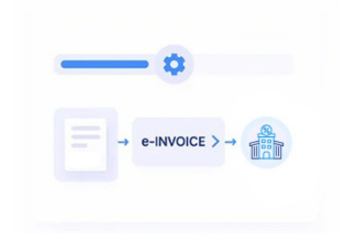
- Transmission Processing: Eligible invoices can proceed through the appropriate electronic transmission route for relevant Luxembourg transactions.
- Service Record Continuity: Processing activity can remain associated with the originating work order and related Field Service records.
What Does Microsoft Dynamics Field Service Connector Actually Do?
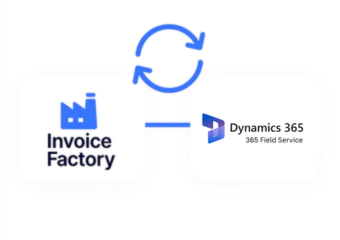
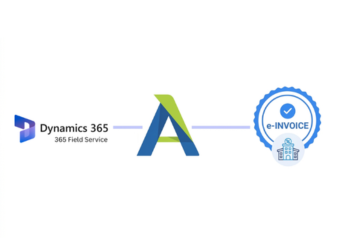
Microsoft Dynamics 365 Field Service manages work orders, service activities, customer information, and related operational records. Advintek adds an electronic invoicing layer that organizes relevant billing information for applicable Luxembourg workflows while retaining the context of service transactions.
- Organizes work order information for invoicing
- Reviews billing fields before processing
- Supports applicable electronic transmission workflows
- Preserves links with service records
Why Microsoft Dynamics Users Choose Advintek
- More Organized Service Billing — Work order and service information can be gathered before entering the electronic invoicing process.
- Stronger Customer Association — Recipient information can remain connected with the appropriate service activity and resulting invoice.
- Improved Service Data Consistency — Billing details can stay aligned with work orders, service activities, and related operational records.
- Earlier Record Review — Relevant invoice information can be assessed before documents progress through subsequent electronic processing stages.
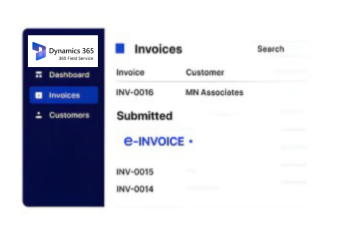
- Clearer Invoice Oversight — Teams can review invoice activity alongside service records when individual documents require attention.
- Better Operational Traceability — Processed invoice information can remain associated with the service context supporting the original transaction.
Complete Control Over Luxembourg E-Invoicing Workflows in One Platform
Work Order Validation
Relevant service and billing information can be reviewed before electronic invoice preparation begins.
Invoice Activity Monitoring
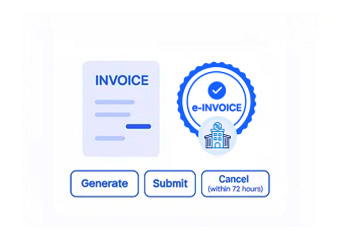
Teams can follow document activity and identify records requiring additional review during processing.
Service Record Matching
Invoice information can remain associated with the appropriate work order and customer service history.
Built for Microsoft Dynamics 365 Field Service Users Luxembourg
For applicable Luxembourg public procurement and concession transactions, structured electronic invoices can be exchanged through the Peppol network. Depending on the relevant transaction and recipient, permitted alternative procedures may also be available through MyGuichet.lu.
- Supports structured invoices for applicable transactions
- Organizes service data around requirements
- Supports applicable Peppol transmission workflows
- Accommodates permitted MyGuichet.lu procedures
for Luxembourg E-invocing
Give service invoicing workflows a clearer route for applicable electronic processing.
Connect Field Service with suitable Luxembourg e-invoicing workflows through Advintek.
Ready e-Invoice System
Frequently Asked Questions Microsoft Dynamics e-Invoicing Luxembourg
What Field Service information can support Luxembourg electronic invoices?
Work orders, customer information, service activities, billing details, and relevant transaction information can contribute to invoice preparation. Advintek can organize applicable information into a structured electronic invoicing workflow while preserving its relationship with the originating Field Service records.
Why should work order information remain associated with an invoice?
Keeping invoice information associated with its originating work order provides useful business context during review. Teams can more easily understand which service activity produced the invoice and reference the underlying operational record when additional clarification is required.
When can service invoice information be reviewed for data quality?
Relevant information can be reviewed before the invoice proceeds through the applicable electronic processing route. Checking service, customer, billing, and tax details earlier gives teams an opportunity to address incomplete or inconsistent information before further processing.
Where can applicable Luxembourg electronic invoices be transmitted?
Eligible electronic invoices can follow the appropriate transmission route for the relevant Luxembourg transaction. For applicable public-sector processes, the Peppol network provides an established electronic exchange route, while permitted alternatives may apply depending on the recipient and transaction.
Who benefits from maintaining invoice visibility alongside Field Service records?
Finance, billing, and service teams can benefit from having invoice activity associated with the underlying Field Service information. This provides useful context when reviewing processing activity, investigating individual documents, or checking the relationship between service work and invoicing.